Table of Contents
- Introduction: Is Moving to The Jersey Shore Right For You?
- Top Pros of Living Down The Jersey Shore
- Top Cons of Living Down The Jersey Shore
- Practical Tips For People Moving to The Jersey Shore
- How The Pros And Cons Of Living In The Jersey Shore Affect Different Buyers
- Frequently Asked Questions About Pros and Cons of Living in Jersey Shore
- Final Thoughts
Introduction: Is Moving to The Jersey Shore Right For You?
The pros and cons of living in The Jersey Shore are the first thing most people ask when they think about moving to The Jersey Shore. This stretch of coastline blends slow-paced beach vibes with surprisingly close access to major cities, a lively restaurant and music scene, and a strong real estate market. At the same time, living by the water brings unique costs and inconveniences: cold water, storms and flood risk, summer crowds, and bugs that can ruin a day at the beach.
Below I break down five clear pros and five clear cons so you can weigh the pros and cons of living in The Jersey Shore with practical details. I cover lifestyle, costs, commuting, local culture, and a few hard realities—like insects and insurance—that matter if you plan to make this your long-term home.
Top Pros of Living Down The Jersey Shore
1. Beach Vibes and Easy Escapes
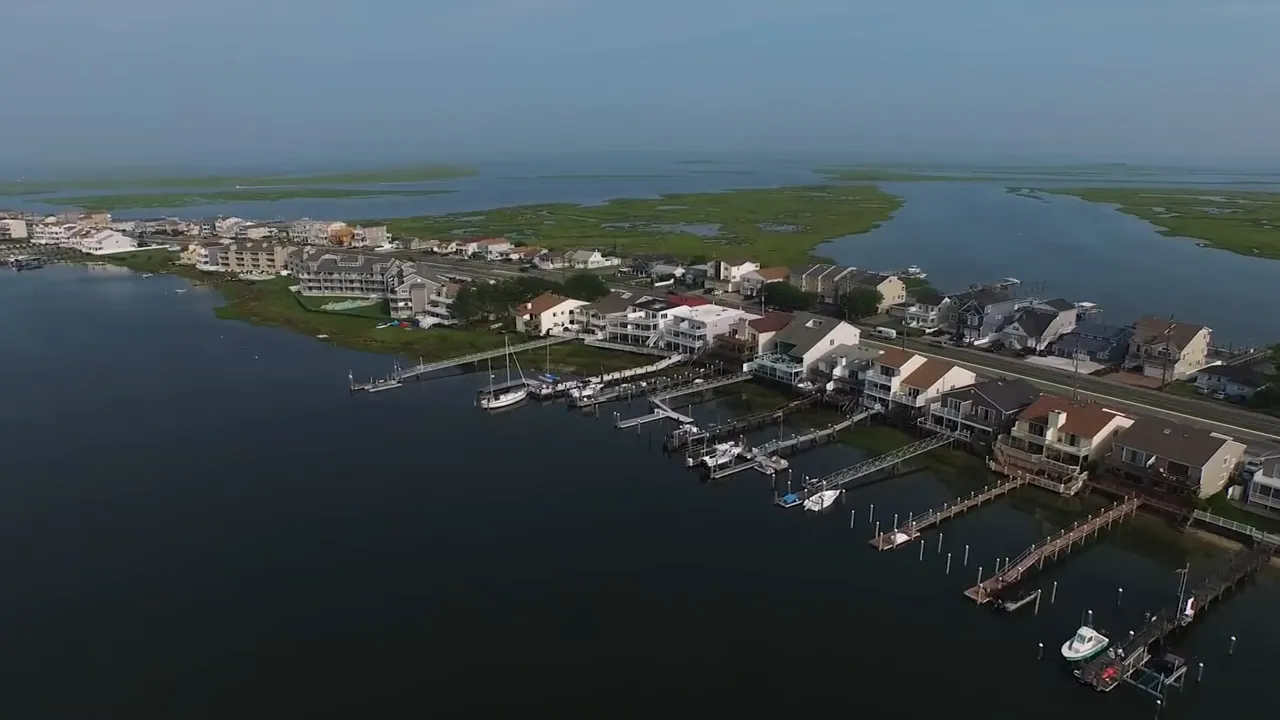
One of the strongest pros and cons of living in The Jersey Shore is the immediate access to the ocean lifestyle. Life here slows down: mornings feel calmer, evenings are breezy, and the whole town takes on a different rhythm compared to dense urban areas. If you live in New Jersey, you can be at the shore in a short drive—an easy escape from the daily grind in nearby cities like New York or Philadelphia.

2. Exceptional Fresh Seafood and Restaurants
Food lovers often list the restaurant scene as one of the biggest pros and cons of living in The Jersey Shore because it leans heavily into fresh-caught seafood. Fish markets deliver what was caught that morning and local kitchens turn it into unforgettable meals—think beer-battered cod sandwiches and locally sourced seafood platters. If you care about where your food comes from, this is a huge plus.
3. Live Music and Nightlife
For entertainment, this region punches above its weight. Venues like PNC Bank Arts Center and numerous smaller clubs and bars host year-round shows. Whether it is summer festivals or off-season concerts, the abundance of live music makes the social calendar surprisingly full. For many people, the nightlife and live music options are a major pro of living in The Jersey Shore.
4. Fitness Culture and Outdoor Recreation
Another pro and perhaps an underappreciated one: the shore is extremely fitness oriented. Dedicated bike lanes, surf opportunities even in off-season months, and plenty of studios and gyms make it easy to stay active. Walking, biking, swimming, and surfing are part of daily life for many residents, making it an excellent choice for people who prioritize an active lifestyle.
5. Real Estate Appreciation
From an investment perspective, appreciation has been a meaningful pro and continues to attract buyers. The market has seen notable gains in median sale prices, driven by limited land, high demand, and lifestyle buyers shifting to hybrid or remote work. If you view your shore property as more than a vacation spot, rising values are a major pro of living in The Jersey Shore.
Top Cons of Living Down The Jersey Shore
1. Cold Water and Flood Risk
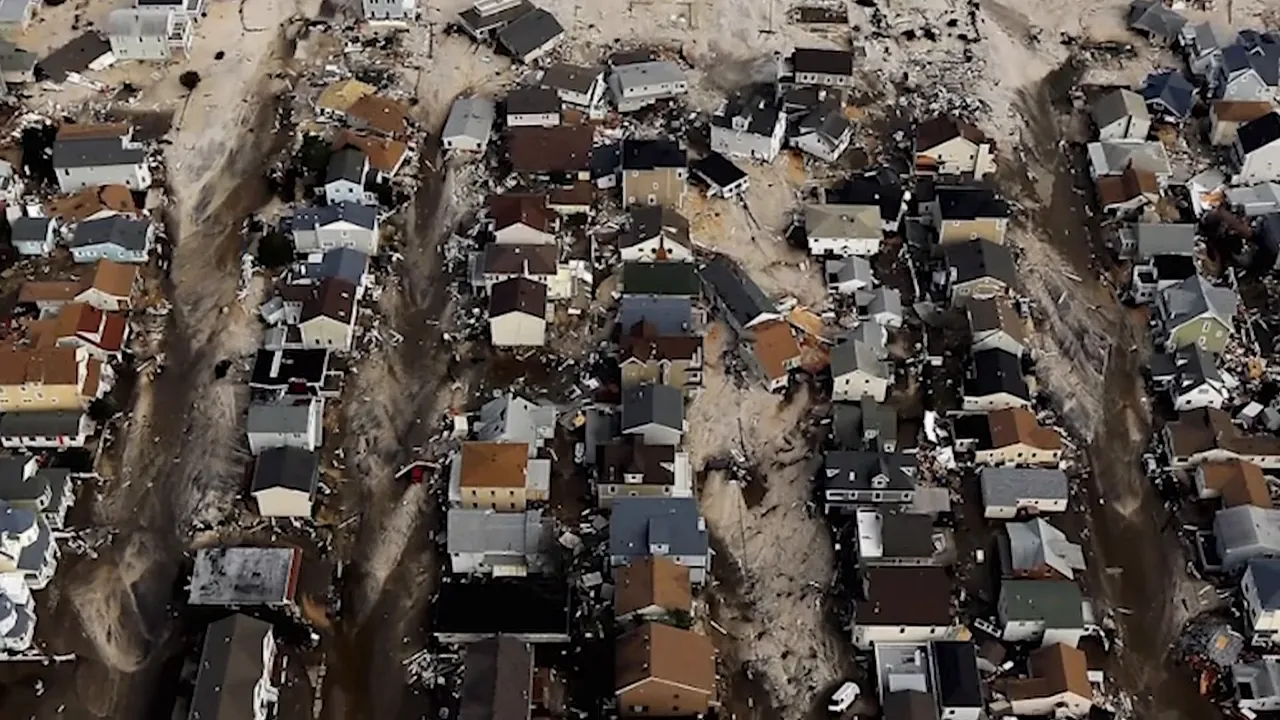
One of the clearest cons of living in The Jersey Shore is how cold the water can be and how real flood risk is. The ocean off the New Jersey coast stays chilly even in summer, and if you live close to the water you will likely need flood insurance. Storms like Hurricane Sandy showed how vulnerable coastal homes are—many local homes were heavily damaged. Flood insurance costs, mitigation measures, and building restrictions (sometimes houses have to be raised on stilts) are financial and logistical realities to plan for.
2. High Cost of Living and Housing
Cost is a major con of living in The Jersey Shore. Median home prices in many shore towns have jumped significantly in recent years. Dining out, groceries, and short-term rentals are expensive compared with inland areas. If you plan to rent, expect high demand and early bookings—seasonal rental prices can be off the charts. Budget carefully; your day-to-day costs will be higher the closer you are to the beach.
3. Summer Congestion and Crowds
Summer months bring waves—of people. Tourist season fills the roads, beaches, and restaurants. Parking becomes a challenge, wait times climb, and the casual quiet you enjoy during off-season disappears. This is a seasonal con of living in The Jersey Shore: if you don’t like big crowds, plan for travel and timing strategies or accept that summer is busy.
4. Green Head Flies and Pesky Insects
There’s an insect-specific con worth calling out: green head flies. These biting flies can make beach days miserable. They bite painfully and seem mostly unaffected by standard bug sprays. For some people this is a deal-breaker and one of the more visceral cons of living in The Jersey Shore. Timing your beach visits and watching wind patterns can help, but they are a reality in parts of the coast.
5. Commuting Costs and Time
Commuting to cities like New York is one of the most practical cons of living in The Jersey Shore. Driving can get expensive due to tolls and gas. Trains are available but can take over two hours. Ferries provide a faster option—often a 40 to 45 minute trip to Manhattan—but ferries are expensive on a daily basis. If you commute regularly for work, you’ll need to weigh time savings against the extra costs.
Practical Tips For People Moving to The Jersey Shore
- Insurance first: Get accurate flood insurance quotes before signing a contract. Consider elevation and whether you need additional mitigation like raising structures.
- Visit off-season: Spend time at the shore in fall and winter to understand the year-round lifestyle beyond the summer tourist season.
- Budget for lifestyle costs: Factor in higher grocery, dining, and home maintenance costs when comparing neighborhoods.
- Test commuting options: Try the ferry, train, and a full drive to your workplace to see which balance of time and cost works for you.
- Check local nuisances: Ask neighbors about flies, noise levels, and parking policies to avoid surprises.
How The Pros And Cons Of Living In The Jersey Shore Affect Different Buyers
Not every pro or con carries the same weight for everyone. Families with kids might value beach access and a strong community more than commute time. Remote workers often prioritize lifestyle and may shift into the shore market because of the strong pros—ocean access and fitness culture—while taking on some cons like higher housing costs. Investors and second-home buyers often focus on appreciation and rental demand, but they must plan for seasonality and insurance costs.
Short Checklist Before Making The Move
- Get a flood risk assessment and insurance estimate.
- Compare year-round and peak-season costs for rent or mortgage, utilities, and insurance.
- Test your commute on a weekday during both peak and off-peak times.
- Visit multiple neighborhoods to match lifestyle needs: nightlife, schools, fitness, quiet streets.
- Talk to locals about hidden issues: bugs, parking, and storm history.
If you're looking to move to the Jersey Shore, reach out and I can help you navigate neighborhoods, commute options, and insurance considerations. Call or text me at 908-892-2892 to get started.
Frequently Asked Questions About Pros and Cons of Living in Jersey Shore
What are the main pros and cons of living in The Jersey Shore for families?
Families often love the beach lifestyle, outdoor activities, and community-oriented towns. The pros include access to fresh seafood, fitness options for kids, and a calmer pace. Major cons are summer congestion, higher housing and living costs, and flood risk for properties near the water.
Is it expensive to live at the Jersey Shore?
Yes. Real estate prices have risen significantly in many shore towns. Daily living—eating out, rentals, groceries—tends to be pricier the closer you are to the beach. Plan for higher monthly carrying costs and seasonal spikes in demand and pricing.
How bad are the insects at the shore?
Green head flies are the most commonly mentioned nuisance. They can bite painfully and are most active at certain times and in certain areas. They are seasonal and location-dependent; using strategies like visiting on windier days, avoiding marshy areas, and checking local reports can reduce encounters.
Is commuting from the Jersey Shore to New York City practical?
It depends on your priorities. Driving is time-consuming and can cost $40-plus daily in tolls and gas. Trains are inexpensive but can take over two hours. Ferries are the fastest at around 40 to 45 minutes but expensive on a daily basis. Consider frequency, salary, and time value when making your choice.
Does the Jersey Shore real estate market appreciate?
Historically, shore properties have appreciated, especially in high-demand towns with limited buildable land. Market spikes can be steeper here than in some inland areas, but appreciation brings higher entry costs and competition.
Final Thoughts
Weighing the pros and cons of living in The Jersey Shore comes down to lifestyle priorities, tolerance for seasonal crowds and insects, and a realistic budget for housing and insurance. The shore offers outstanding benefits—ocean access, great food, live music, and an active lifestyle—but it is not without costs: both financial and practical. If the pros matter more to you than the cons, then living at the Jersey Shore can be an exceptional choice. If commuting time, flood risk, or seasonal congestion are deal breakers, consider nearby towns a little inland where you can gain many shore benefits with fewer of the downsides.