Table of Contents
- Intro: What Living in Jersey Shore Feels Like
- Living at the Jersey Shore With Access to the City
- What Life at the Jersey Shore Is Really Like
- Shopping, Boutiques, and Everyday Conveniences at the Jersey Shore
- Restaurants and Live Music: Why Jersey Shore Locals Love the Scene
- Schools and Family Life at the Jersey Shore
- Terrain, Recreation, and Getting Around the Jersey Shore
- Cost of Living and Insurance Considerations at the Jersey Shore
- Pros and Cons of Living at the Jersey Shore
- How to Decide if Living at the Jersey Shore Is Right for You
- FAQs About Living in Jersey Shore
- Final thoughts
Living in Jersey Shore means more than beaches and boardwalks. This guide walks through proximity to major cities, the feel of the towns, beaches and boardwalks, shopping and dining, schools, terrain, and the real cost of coastal living. If you're considering living in Jersey Shore, read on for a clear, practical picture of what life looks like year round.
Intro: What Living in Jersey Shore Feels Like
The phrase living in Jersey Shore often conjures images from reality TV, but reality is a lot calmer. Expect a slower pace than urban North Jersey, friendly small-town vibes, and lots of outdoor activity. For many, the biggest appeal of living in Jersey Shore is accessibility: short drives from inland suburbs, a focus on local restaurants and live music, and a lifestyle that blends beach recreation with everyday convenience.
Living at the Jersey Shore With Access to the City
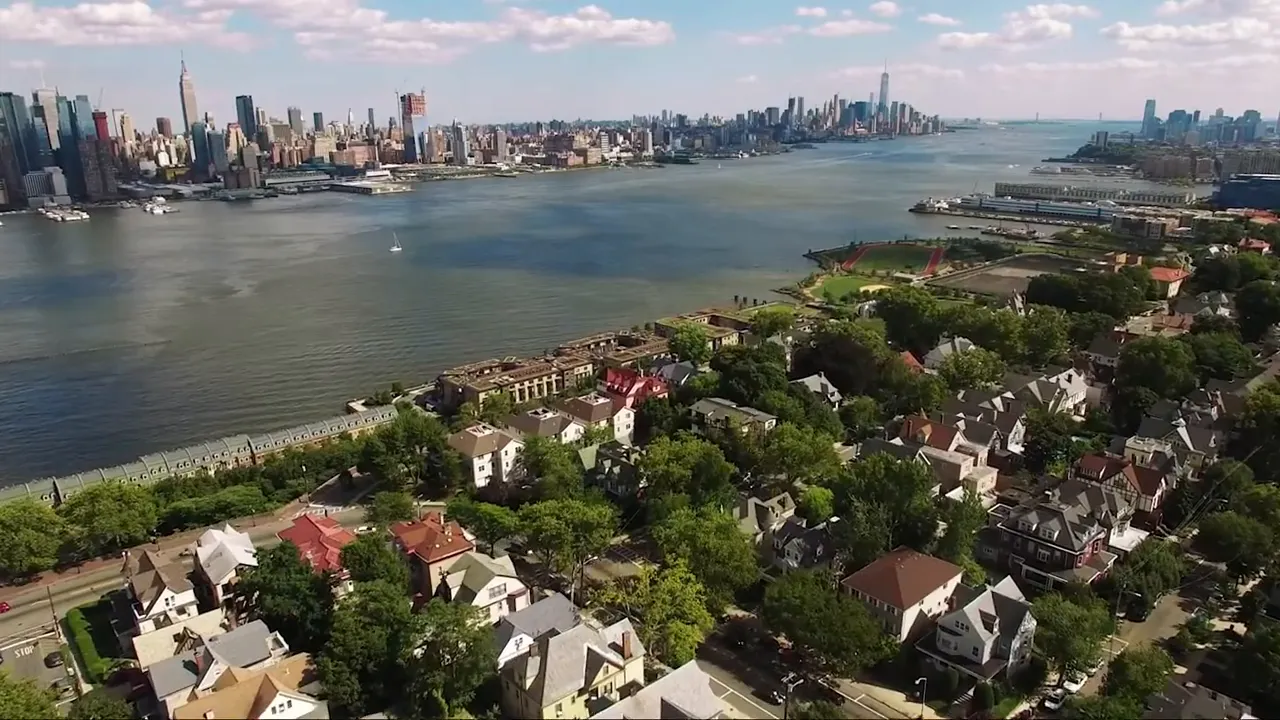
One of the underrated perks of living in Jersey Shore is proximity. From much of the Shore region you can drive to major hubs without a full-day commitment. For families with kids, a typical trip from North Jersey can be just an hour and a half to two hours. That makes weekend getaways and shorter vacations easy—no long car rides, fewer snack-and-bathroom interruptions, and less planning tension.
Commuters who need regular access to New York City should weigh options carefully. A two-hour train ride is common from many Shore towns. There are faster options—ferry services that cross the water in 40 to 45 minutes—but cost can be high (commuter ferry expenses add up quickly). If you are considering living in Jersey Shore while working in the city, hybrid schedules or a split-home strategy have become increasingly common since remote work grew in popularity.
Distance to major cities
- To New York City: roughly two hours by train from many Shore towns.
- To Philadelphia: as little as an hour from southern Shore points.
- Ferry option: 40–45 minutes, premium pricing.
What Life at the Jersey Shore Is Really Like
When you're living in Jersey Shore, beaches are the obvious centerpiece. They are clean, patrolled by lifeguards, and very family friendly. Compared with tropical destinations or certain West Coast beaches, the sand and water are different—but that does not mean they lack charm. What they do offer is entertainment and infrastructure built around family fun.

Boardwalks are a major draw. Arcades, Ferris wheels, and classic rides keep kids busy. Seaside and other towns have amusement piers and waterfront attractions that are lively during summer and remain enjoyable off season. If your main requirement is pristine, remote beaches, you might prefer other coasts, but for family-friendly activity and convenience, living in Jersey Shore is hard to beat.
Shopping, Boutiques, and Everyday Conveniences at the Jersey Shore
One common surprise for people considering living in Jersey Shore is the variety of shopping options. Far from being a place where you have to drive far for groceries, the Shore region has easy access to grocery stores, malls, outlet centers, and charming boutique districts—especially in towns like Spring Lake.
The shopping scene supports both practical living and weekend leisure. You’ll find local boutiques, fresh markets, and centralized shopping hubs where restaurants and stores cluster. Locals appreciate that convenience; it makes living in Jersey Shore viable year round and not just a seasonal escape.
Restaurants and Live Music: Why Jersey Shore Locals Love the Scene
Fresh seafood is a highlight when living in Jersey Shore. Local restaurants pride themselves on seafood pulled from nearby waters and menus built around seasonal catches. Dining here tends toward casual, quality-focused spots—great for families and for nights out.
Live music is another major draw. From large outdoor venues like PNC Bank Arts Center to intimate stages in Asbury Park and Red Bank, the region offers a strong concert scene. Locals will tell you that restaurants and music are among the top reasons they chose living in Jersey Shore.
Schools and Family Life at the Jersey Shore
If you’re moving with children, schools matter. While North Jersey holds a higher concentration of top-ranked districts, the Shore region has school districts ranging from within the top 50 to the top 100 in the state. That means reasonable school options for families who prioritize living in Jersey Shore without sacrificing educational standards.
Family life here tends to be outdoor-oriented: biking, beach days, playgrounds, and local festivals. The flat terrain of many Shore towns makes daily errands and biking easier—great for families who want less driving and more time outside.

Terrain, Recreation, and Getting Around the Jersey Shore
Terrain along the Shore is mostly flat and sea level, which encourages walking and cycling. When living in Jersey Shore, many residents get around by bike for short trips—groceries, fish markets, or a quick coffee run—because it’s safe and convenient. Expect to see lots of runners, cyclists, and fitness-focused locals year-round.
One practical tip: wear helmets. Biking is common and flat roads make it easy to ride to most spots, but safety is still key—set a good example and encourage children to helmet up.
Cost of Living and Insurance Considerations at the Jersey Shore
Living near the water comes with premium costs. Some counties in the Shore region rank among the most expensive in New Jersey for median home sale price. Simple daily expenses—dining out, attractions, and even basic café sandwiches—can be higher than in inland towns. If you plan on living in Jersey Shore, factor in higher day-to-day prices.
Another financial reality is flood risk. Homes closer to the coastline often require flood insurance. The Shore felt major impacts from Hurricane Sandy, especially along barrier islands and low-lying coastal strips. That has driven rebuilding and, in some areas, new construction of higher-end homes, which in turn increases local home values and property taxes.
- Home prices: some Shore counties rank near the top statewide.
- Daily costs: restaurants and tourism-driven businesses often price higher in summer hubs.
- Insurance: flood insurance may be required and can add significantly to monthly costs.
- Beach fees: many towns charge for beach access during peak season.
Pros and Cons of Living at the Jersey Shore
Weighing pros and cons helps determine whether living in Jersey Shore fits your lifestyle.
Pros
- Easy weekend access from much of New Jersey and surrounding states.
- Vibrant local dining and live music scenes.
- Family-friendly beaches, boardwalks, and entertainment for kids.
- Walkable, bikeable towns thanks to flat terrain.
- Strong seasonal economy with year-round locals and off-season calm.
Cons
- Higher housing and living costs in many Shore towns.
- Flood risk and the need for insurance near the water.
- Summer traffic and tourist crowds in popular towns.
- Some areas see a seasonal shift in pace and availability of services.
How to Decide if Living at the Jersey Shore Is Right for You
If you’re considering living in Jersey Shore, start by clarifying priorities: commute tolerance, budget, school preferences, and how important proximity to beaches and nightlife is for your daily life.
Visit neighborhood centers on both a weekday and a weekend to get a feel for how towns change with tourist seasons. Talk to local shop owners and residents. Notice things that matter for daily life: grocery access, healthcare, commuting options, and parks. The difference between loving living in Jersey Shore and regretting it often comes down to these practical details.
Next Steps for Relocating to the Jersey Shore
For families and individuals planning a move, build a checklist:
- Set a clear budget that includes flood insurance and seasonal costs.
- Research commute options and test routes during typical commute hours.
- Compare school districts and visit schools if you have children.
- Spend a night or weekend in towns you like to get the local vibe.
- Talk to residents and local business owners about year-round life.
If you need help deciding which Jersey Shore town is the best fit for you, I’d be happy to help. Call or text me at 908-892-2892 or email info@livinginjersey.com to ask questions, compare neighborhoods, or schedule visits.
FAQs About Living in Jersey Shore
Is the Jersey Shore only busy in summer?
No. While summer brings the largest influx of visitors, many Shore towns are lively year round. Restaurants, live music venues, and local shops remain active through the off season. If you're considering living in Jersey Shore, expect a seasonal rhythm but not a ghost town.
Are the beaches at the Jersey Shore safe and well-maintained?
Yes. Beaches are typically maintained and lifeguards are on duty during the peak season. While the beaches may not match tropical destinations, they are clean and family-friendly—ideal for those focused on activity and convenience rather than exotic scenery.
How expensive is it to live in the Jersey Shore?
Costs vary by town, but many Shore communities have higher-than-average home prices for New Jersey. Daily expenses can also be higher in tourist-focused areas. Factor in flood insurance and possible beach access fees when budgeting for living in Jersey Shore.
Can I commute to New York City from the Shore?
Yes, but options vary. Some towns offer train service with travel times around two hours. Ferries can cut transit time significantly but are more expensive. If daily commuting is required, map out exact routes and costs before committing to living in Jersey Shore.
Are there good schools at the Jersey Shore?
There are quality options. While North Jersey has a higher concentration of top-ranked districts, many Shore districts fall within the top 50 to top 100 statewide. Investigate specific towns for the best fit.
Final thoughts
Living in Jersey Shore is a lifestyle choice that blends coastal recreation, strong local culture, and practical day-to-day living. If you prioritize beach access, local dining, live music, and a strong community feel, the Shore can be an excellent long-term home. If commuting daily to a major city is nonnegotiable, weigh the tradeoffs carefully—there are good solutions, but they come with costs.
Overall, the Shore offers a lot: friendly towns, convenience, and a steady supply of outdoor activities. For people and families who want that coastal rhythm without leaving the state, living in Jersey Shore is a compelling option.