Pros and Cons of Living in Bernards Township, New Jersey

Kevin Saum • October 14, 2023

Table of Contents

Introduction

If we are weighing the  pros and cons of living in Bernards Township, we have to start with what makes the place feel special. Bernards Township sits in a really attractive pocket of New Jersey, close enough to big job centers and New York City, but surrounded by open space and outdoor recreation.

In fact, niche.com ranked Bernards Township among the top 2% of places to live in the entire country. That kind of ranking usually points to something deeper than just “nice houses.” It suggests a strong mix of quality of life, schools, and amenities. Still, rankings can miss the everyday stuff that affects your routine. So we will break this down the way we would for a real decision: the big wins, the real annoyances, and what to consider before you move.

Bernards Township Map and Location

Bernards Township is about 45 miles west of New York City. That matters because it helps explain both sides of the conversation. You get the suburban feel, but you are not trapped in the suburbs.

We also love that you can literally see the environment shift as you move toward Bernards Township. The region transitions from more concrete and rooftops into lush forest and farmland.

Nature shows up nearby too. On the border of Bernards Township, there is the Great Swamp National Wildlife Refuge. Not too far away, in Mendham, you can also find the Schiff Natural Lands Trust/ Schiff Nature Preserve. If you like the idea of stepping outside and not always feeling like you are surrounded by buildings, this area supports that.

For context, the surrounding towns include Harding Township, Long Hill, Warren, and Bridgewater. Nearby are Bedminster, Far Hills, Bernardsville, Mendham Township, Mendham Borough and Morristown. A lot of residents also compare Bernards Township with places like Madison and Chatham, especially when talking about costs and commuting.

Inside Bernards Township, there are smaller community hubs. Basking Ridge is one of the main ones, and there are others like Lyons, West Millington, and Liberty Corner. That brings us to an important “pro or con” dynamic: Bernards Township is organized across sections, and many of them share Basking Ridge as a mailing address.

EXPLORE COMMUNITIES IN NEW JERSEY
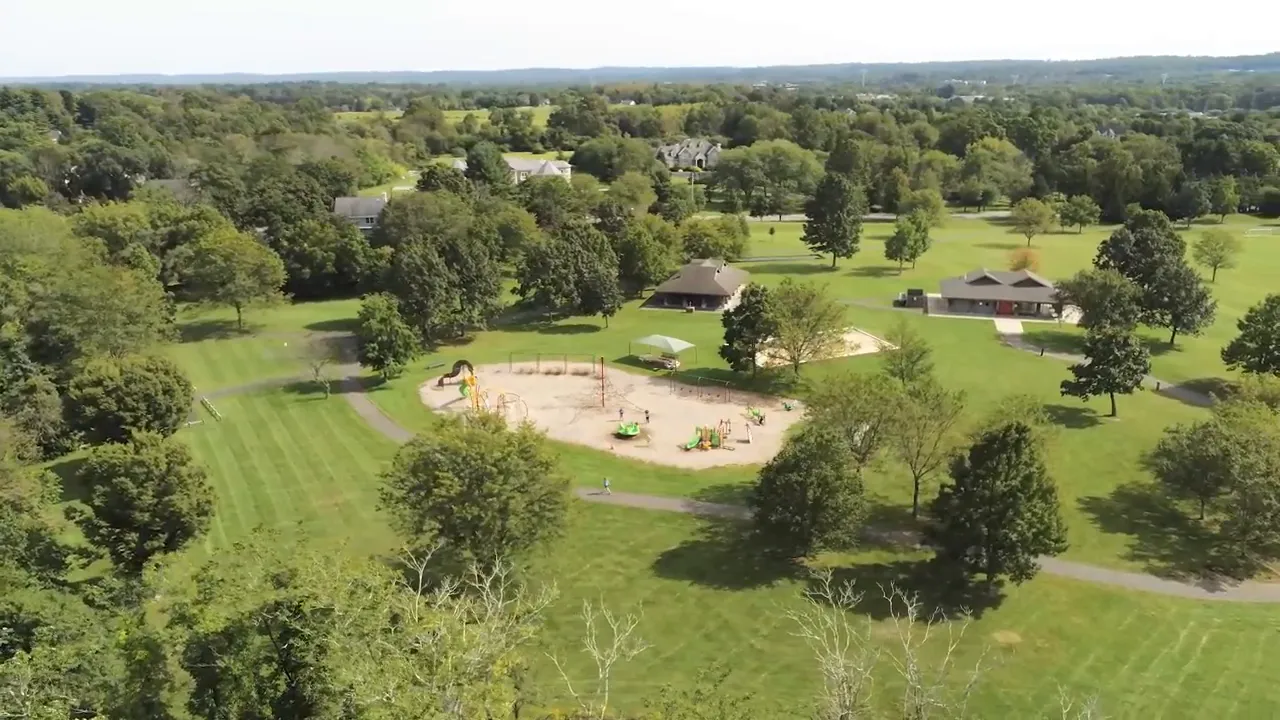
Aerial view of Bernards Township park grounds with walking paths, fields, and playground

Top Parks and Recreation in Bernards Township

If we had to pick one absolute favorite among the pros and cons of living in Bernards Township, it is parks. The recreation options feel plentiful, and more importantly, they feel well maintained.

Dunham Park is a standout. It has paved walking trails, a disc golf course, and some of the most beautifully maintained recreational fields we have come across. It is not just “a place to park and hope for the best.” There is an amphitheater, picnic coverage, and actual restrooms. That sounds small until you are actually trying to spend a full afternoon somewhere with kids or friends.

Pleasant Valley Park is another major asset. You get paved walking paths, tennis courts, and a fishing pond that people use for ice skating in the winter. There is also the town pool. Right next door is the Kley Russo Memorial Golf Course, which is a nine hole course and requires membership.

We also like that nine holes fits real life. A lot of people find that 18 holes can be a little much, and nine hits a nice sweet spot. The course is described as beautifully maintained, with the Lyons VA Medical Center in the background.

Beyond that, the United States Golf Association headquarters is in Bernards Township, and there is an associated golf course as well. If you golf, this area clearly leans into that lifestyle.

You might also see pickleball courts scattered around town. There is a dog park too, and we should call out the honest feedback that comes up around it. Some people mention it gets really muddy, so dogs come home dirty. There are also complaints from owners about other dogs being aggressive or fighting. The clear takeaway is simple: go with awareness and be respectful when you are there.


The Parks Tradeoffs

Parks are the biggest pro, but they are not automatically perfect. The main recreation-related downside we hear is less about the parks themselves and more about how specific spots can impact day-to-day use. For example, that muddy dog park situation is a real factor if you care about a “clean and easy” routine.

Potential Confusion: Getting Around Bernards Township

One of the most practical downsides of living in Bernards Township is that it can be confusing. This is not about the scenery. It is about addresses, school names, and the way people think about where things “really are.”

Most of the township has a Basking Ridge mailing address. Basking Ridge is just one smaller portion, but it ends up representing the bigger area. For residents it can be second nature, but for newcomers it can feel weird. It also trickles into how schools are discussed, because school names and district references can sound like they belong to neighboring areas rather than the township you are considering.
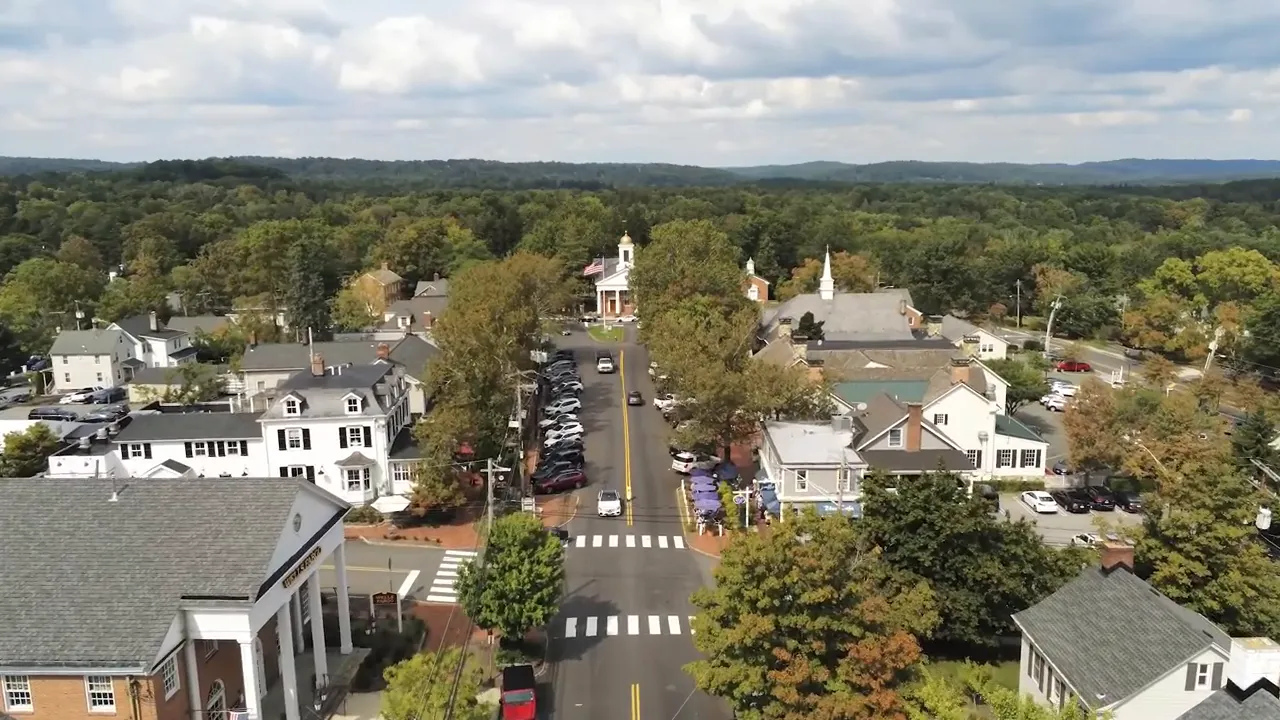
Aerial neighborhood view in Bernards Township, New Jersey showing main roads and community buildings

If you are not already local, this can be a little frustrating. If you are shopping for a home, it can lead to misunderstandings about where students attend school or how district boundaries map onto daily life. It is one of those “you will learn it, but it can slow you down at first” issues.

Schools in Bernards Township: Public and Private Options

When the conversation turns to pros and cons of living in Bernards Township, schools are almost impossible to avoid. The reason is straightforward: the school district performance is extremely strong.

Niche.com ranks the Bernards Township School District as the number one school district in all of Somerset County. The transcript also references rankings for individual levels: elementary schools have rankings, the middle school has an A ranking, and Ridge High School has an A+ ranking.

But the school story does not stop at public education. Bernards Township is home to Pingry School, described as the number two private school in the entire country for K through 12. The K through 12 program is in the area, with the middle school and upper school located in Bernards Township.

So whether you are looking at public options or you are considering private, the area supports both.

A Con After Expectations

One con we want to be transparent about relates to athletic facilities. After seeing the parks, expectations for the athletic facilities at Ridge High School were higher than what was experienced.

It is not described as “bad” so much as “not as high level as hoped,” especially given how good everything else is. There is also a detail that matters if you care about sports scheduling and the convenience of having everything on one campus: the tennis team appears to be playing at Pleasant Valley Park, meaning facilities are not all centralized on the same site.

For a township that is roughly 25 square miles and has strong school performance and some of the nicest parks in the area, it can feel surprising that facilities are not consolidated more.

Cost of Living and Housing in Bernards Township

Cost is always part of the pros and cons of living in Bernards Township, and we should keep it grounded in the numbers provided.

At the time this was discussed, the median home sale price was about $750,000. The average tax bill was about $133,000 per year.

Then the comparisons come in. Madison is described with a median home sale price around $900,000 and average tax bills around $144,000. Chatham is described with a median home sale price around $1.3 million and average tax bills around $116,000.

What does that mean in practice? The transcript frames it as value being stronger than some neighboring options because you are getting a lot of quality without always paying the top-dollar price tag.

It also notes something that matters for lifestyle: Bernards Township spans about 25 square miles. A larger spread can translate to feeling like you have a bit more space away from your neighbor and more “bang for your buck,” at least in the sense of layout and lot feel.

Shopping, Groceries, and Daily Errands

Bernards Township has a lot of mom and pop shops and cute boutique stores. That is a genuine quality-of-life pro, especially when you want to find a thoughtful gift without always driving somewhere else.

But the tradeoff is that those businesses do not always cover the full range of daily shopping needs. The transcript calls out that Stop and Shop is “underwhelming,” and suggests that residents may need to go to grocery stores in neighboring towns to finish their everyday list.

The good news is location. Bernards Township is close to Bridgewater Commons, about 15 minutes away. Morristown is also not far, but it might be around a 20 minute drive depending on where you are in the township and where you are going.

The practical takeaway: you probably can handle some shopping in town, but you should be ready to run errands outside the township for certain items. That is not a dealbreaker, but it is part of the reality.

Commuting to NYC and Local Job Opportunities

Commuting is where Bernards Township earns a lot of points, especially if you work across New Jersey or you need access to New York City.

On the infrastructure side, Route 287 and Route 78 run through the township. There are also two train stations for commuters: Basking Ridge Station and Lyons Station. There is also the Lakeland bus that can get you to New York City and Port Authority in about an hour.
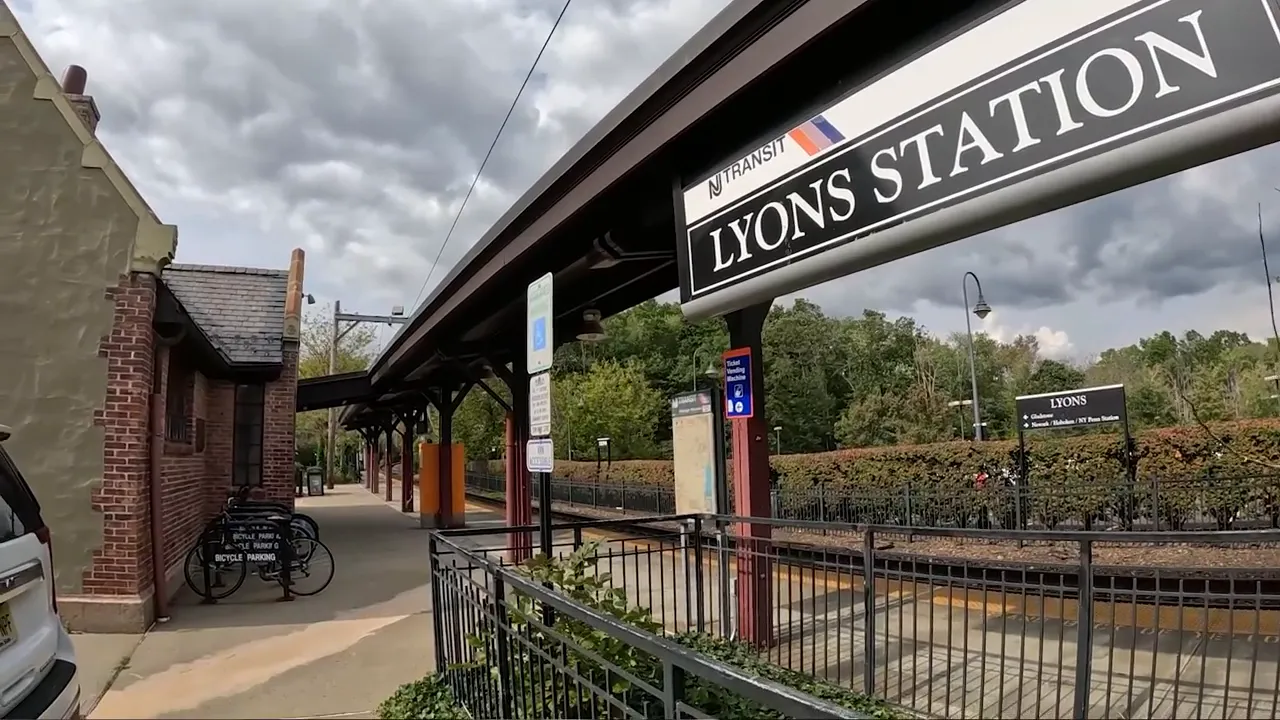
Lyons Station platform area with station signage at Bernards Township, New Jersey

Commute To New York City

Here is the con, though, because access does not automatically mean convenience. The transcript points out there are very limited direct train lines to New York City from these stations.

It notes that the fastest trains are about 1 hour 20 minutes from Basking Ridge and about 1 hour 16 minutes from Lyons, since they are on the same line. But if you do not catch the right train, you may have to transfer in Summit or Hoboken, making things less convenient.

For some people, the most efficient option might actually be the Lakeland bus, especially if time efficiency matters more than train schedules.

Traffic Noise From Highways

Another commuting-related con is noise. Major highways brush right alongside some neighborhoods, so traffic noise could be an issue depending on where you live.

That is why, when touring homes, it is smart to listen. We would take this seriously during in-person visits because it can be hard to “feel” a sound environment from a listing description. The transcript also hints at using virtual tours and being able to hear what is going on outside, even before you step inside.

Easy Commute To New Jersey Employers

Even with those tradeoffs, Bernards Township is described as conveniently located near top New Jersey employers. Because of the major highways and central position, it is easy to travel north or south across Central Jersey.

The transcript lists several major companies in or associated with the area, including Verizon headquarters(noted as in Bernards Township), as well as references to Novartis, Sanofi, BASF, Johnson and Johnson, and Pfizer. The key takeaway is that the region is a practical hub for job access.

Restaurants and Dining Options in Bernards Township

The last con is less about food quality and more about variety and volume.

Restaurants are primarily concentrated in downtown Basking Ridge. That means you get solid options, but you may feel like you run out of new places to try if you eat out frequently or if you have specific cravings that need a wide selection.
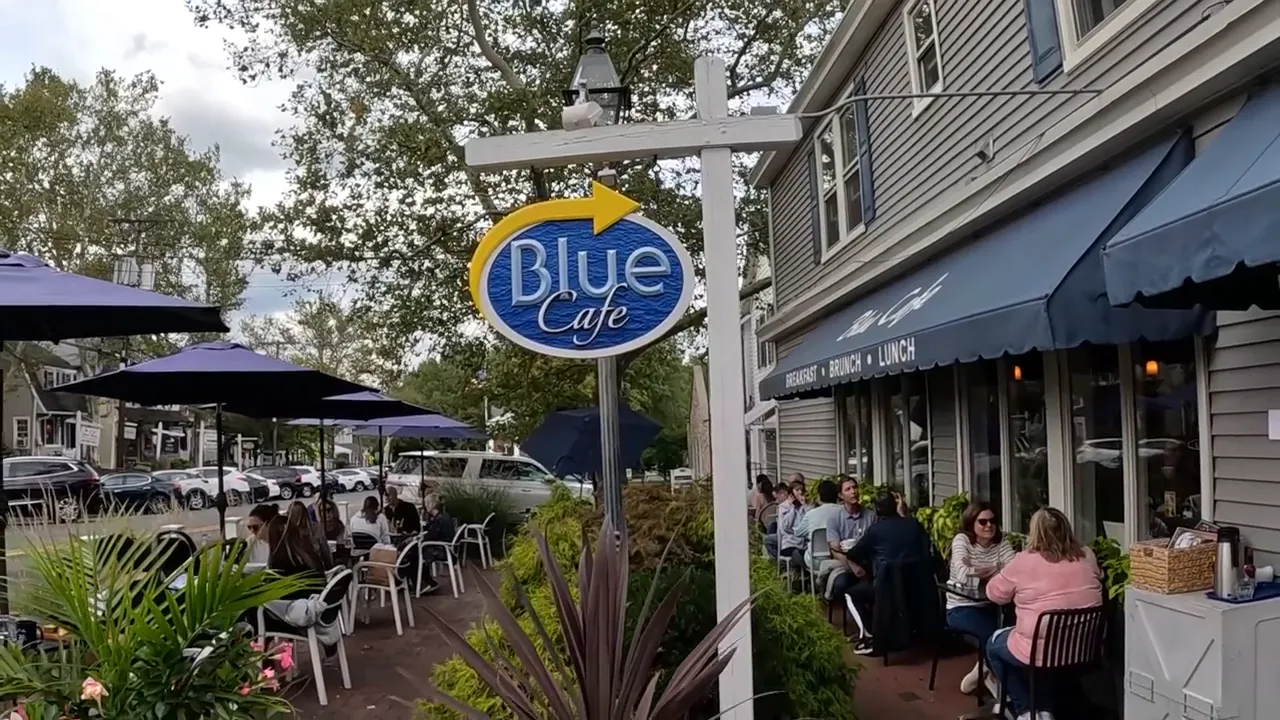
Blue Cafe sign outside a downtown restaurant area in Basking Ridge

The transcript makes this clear: you may get “a little bored” with the restaurant options within Bernards Township itself. The argument is that you are probably only 15 minutes from Morristown or about 15 minutes from Somerville, depending on direction, so it is easy to expand your options without changing your home base.

So the con comes with a built-in workaround: quick proximity to other towns can solve the “variety” problem as long as you do not mind short drives.

Pros and Cons of Living in Bernards Township

Here is the simplest way to summarize the pros and cons of living in Bernards Township based on what we covered:

  • Pros
    • Parks and recreation are excellent, with well maintained fields, walking paths, golf, and more.
    • Schools are extremely strong for both public and private education.
    • Location supports commuting across New Jersey and access to New York City options.
    • Cost positioning can feel favorable compared with some nearby high end towns, especially considering home sale pricing.
    • Shopping includes cute local stores, even if you may supplement elsewhere.
  • Cons
    • The township can be confusing because many areas use a Basking Ridge mailing address.
    • A realistic expectation check is needed for athletic facilities organization, based on how sports access is handled.
    • Grocery and daily shopping needs may require trips to neighboring towns.
    • Direct train access to New York City can be limited, and traffic noise near highways may matter depending on where you live.
    • Restaurant options are concentrated downtown, so variety may require short drives.

Ultimately, Bernards Township looks like a place where you can have a high quality routine: outdoors, strong schooling, and workable commutes. The “gotchas” are the details that affect your day: addresses, schedules, sound levels, and how far you drive for specific needs.

FAQ: Moving to Bernards Township, Schools, and Lifestyle Tips

What are the biggest pros of living in Bernards Township?

The biggest pros highlighted are the parks and recreation, the strength of the public and private school options, and the convenient location for commuting across New Jersey and toward New York City.

What are the biggest cons of living in Bernards Township?

The main cons are that the township can be confusing due to mailing address and school naming, daily shopping may require trips outside the township, commuting to New York City may involve limited direct train options, traffic noise near major highways can be an issue, and restaurant variety is concentrated mainly in downtown Basking Ridge.

Is Bernards Township good for families?

Yes. The transcript emphasizes top-ranked schools in Somerset County and strong private education options in the area, plus a large number of parks and recreational facilities.

How far is Bernards Township from New York City?

It is about 45 miles west of New York City.

Are parks in Bernards Township easy to access?

The parks are a major strength, with places like Dunham Park and Pleasant Valley Park offering walking trails, fields, tennis, fishing, and other amenities.

What is the commuting situation to New York City?

There are train stations in Basking Ridge and Lyons, and a Lakeland bus route. However, direct train options to New York City are limited, and the fastest trips take around 1 hour 16 to 1 hour 20 minutes depending on the station and connections.

Does the highway network affect daily life?

It can. Major highways run near some neighborhoods, so traffic noise could be a factor depending on the exact location.

Ready to explore Bernards Township in more detail? Connect with me, Kevin Saum to break down commute patterns, school zones, and current home values based on what matters most to you. Call or text 908-892-2892 to receive your personalized Neighborhood Guide and start planning your move.

READ MORE:  LIVING IN BERNARDS TOWNSHIP NEW JERSEY: OUR TOP 5 NEIGHBORHOOD GUIDE

Kevin Saum | Living in Jersey

Ready to buy or sell in Northern NJ? Contact Kevin Saum for personalized real estate advice and a seamless experience in Morris County.

Moving to New Jersey?

Living in Jersey Relocation Guide

Watch Our Videos

Share this article

Recent Posts

A man smiles beside text reading
By Kevin Saum March 29, 2026
Deciding living in Roxbury vs Mount Olive NJ? Compare commute realities, highway access, parks, schools, affordability, and the overall town vibe to find the best fit for your lifestyle.
A man with a pensive expression stands before a house, with the text
By Kevin Saum March 18, 2026
Avoid common pitfalls when buying in Morris County, NJ — understand property tax impacts, town tradeoffs (East Hanover vs Mount Olive), septic vs sewer, and why pre-approval and timing matter.
SUV trunk open, overlooking a mansion. Suitcase, water bottle, and sweater inside.
February 6, 2026
Thinking about living in Mendham and commuting to New York City? You want a route that is predictable, affordable, and fits your lifestyle. This guide breaks down your best options, what they really take door to door, and the tradeoffs to consider before you buy. You will finish with a clear picture of how Morristown, Bernardsville, and Gladstone stack up, plus a simple decision checklist. Let’s dive in. Your main routes to NYC If you live in Mendham, you typically choose from three paths to reach Manhattan: Drive to a nearby NJ TRANSIT station, then take the train. The most common stations are Morristown, Bernardsville, and Gladstone. Drive all the way into the city. It is possible, but traffic, tolls, and parking costs often make this less predictable. Take a bus from a nearby town or park-and-ride. Options are limited around Mendham and can change by season. Most Mendham commuters drive to a station for rail service. It keeps your suburban lifestyle while tapping steady train frequency, especially from Morristown during peak hours. Station-by-station guide Morristown Role and service. Morristown sits on the Morris & Essex corridor and offers frequent weekday trains. Many peak trains run Midtown Direct to New York Penn Station, with others to Hoboken. Drive and train time. From central Mendham, the drive is roughly 15 to 25 minutes. Midtown Direct trains to Penn Station typically run about 45 to 60 minutes. Hoboken-bound service can be shorter on the train but adds a PATH or ferry segment if your destination is Midtown. Parking and feel. You will find a mix of municipal lots and a garage with daily and permit options. Demand is high on weekdays, and some permits carry waitlists. Larger-station amenities and lighting are a plus. Bernardsville Role and service. Bernardsville is on the Gladstone Branch, which feeds into the Morris & Essex network. Some trains run Midtown Direct, while others require a transfer. Service is less frequent than Morristown, especially outside peak hours. Drive and train time. The drive from central Mendham is roughly 20 to 35 minutes. Train time to New York Penn Station is typically about 55 to 75 minutes or more, depending on whether you catch a direct train or need a transfer. Parking and feel. Lots are smaller, and spaces can fill earlier on busy weekdays. Rules vary by lot for daily and permit parking. Gladstone Role and service. Gladstone is the terminus of the Gladstone Branch. Peak service includes some direct trains to Penn Station, with other trips requiring a transfer at a junction such as Summit. Off-peak frequency is lower than mainline stations. Drive and train time. Expect a 25 to 40 minute drive from central Mendham. Train time to Penn Station often ranges from about 60 to 80 minutes or more, depending on direct trains versus transfers. Parking and feel. Parking capacity is limited. Riders rely on township lots and neighborhood rules. As a terminus, it can be convenient if you time a direct train, but peak spaces still fill. How long will your commute take? Typical door-to-door times range from about 60 to 90 minutes or longer, depending on your station choice, time of day, parking, transfers, and your final destination in Manhattan. Living closer to a station often trims 10 to 30 minutes off the total. Here are two quick commute math examples to show how small choices add up: Drive-to-Morristown example: 20-minute drive from Mendham, 5-minute walk from the garage to the platform, 50-minute train to Penn Station, 10-minute walk or subway in Midtown. Total around 85 minutes in a typical peak window. Walk-to-Morristown example: 7-minute walk from a station-area home, 5-minute platform wait, 50-minute train, 10-minute walk in Midtown. Total around 72 minutes, with no parking step. Your numbers will vary. Peak windows often run smoother, while off-peak or weekend trips may require more precise timing. Peak vs off-peak: what to expect Peak windows. Inbound morning peak is roughly 6:00 to 9:00 AM, and outbound evening peak is roughly 4:00 to 7:00 PM. Frequency. Larger stations like Morristown see trains about every 15 to 30 minutes in the peak direction. Off-peak service is less frequent, often hourly. Gladstone Branch trains run less often, and some trips require transfers. Variability. Midtown Direct trains are usually fastest to Penn Station. Routing to Hoboken can be quicker on the train itself but may add transfer time if you need Midtown. Weather, track work, and mechanical issues can cause delays. Backup planning. If your job is time sensitive, plan a backup. Some commuters keep a flexible day to drive, aim earlier trains during storms, or monitor alerts on transit apps. Parking and permits: what to know Types of parking. You will encounter municipal lots with daily pay, monthly permits, meters, and some private options. Rules and fees vary by town and lot. Demand patterns. Popular stations such as Morristown, Bernardsville, and Gladstone often fill early on weekdays. Permit waitlists are common in some areas. Costs. Expect ongoing costs for parking, plus fuel and maintenance if you drive to the station. Check each town’s latest fees before you budget. Alternatives. Carpooling can reduce parking pressure. Some riders use nearby streets where allowed, but watch restrictions to avoid tickets. County park-and-ride lots may offer bus or shuttle connections that change over time. Amenities. Larger stations typically offer more lighting, shelter, and platform coverage. Smaller stations can be more limited. Live near a station or drive? This is the core Mendham tradeoff: walk-to-station convenience versus larger lots with a drive-to-rail routine. Weigh these factors: Time and convenience Living within walking distance of a station removes the parking step and often saves 10 to 20 minutes or more door to door. Driving to rail keeps your space and privacy, but adds drive and parking uncertainty. Plan earlier arrivals for popular lots. Cost considerations Homes closer to stations often carry a price premium per square foot, though actual pricing depends on many local factors. Ongoing costs include fuel, parking permits or daily fees, and train fares. Monthly passes can reduce per-ride expense for frequent commuters. Consider the time value you place on your commute when comparing options. Reliability and flexibility Station-area living favors daily rail users who want predictable timing. Drive-to-rail adds flexibility for days when service is disrupted. You can drive all the way if needed. Lifestyle and family needs Larger lots support outdoor space and privacy. Station-area living can streamline spontaneous evening trips into the city. Think about your after-work routine. If you run errands by car, a drive-to-rail pattern may fit well. If you head into the city often at night, walking to the station can be simpler. Resale and long-term value Proximity to reliable rail remains attractive to NYC-focused buyers. At the same time, larger-lot properties can benefit if remote work stays common. The right choice is the one aligned with your weekly pattern and lifestyle. Quick comparison: stations at a glance 
February 6, 2026
Did your dream Mendham home flip from “active” to “contingent” overnight? You are not alone. Listing status changes can be confusing when you are trying to plan showings or write a winning offer. By the end of this guide, you will know exactly what contingent and pending mean in Mendham, how showings and backup offers work, and how to time your steps with confidence. Let’s dive in. Active, contingent, pending: basics Active When a home is marked Active , it is on the market and available for showings. The seller is accepting offers and can choose one at any time. If you like an active home, move quickly to schedule a tour and prepare your offer. Contingent (under contract) A Contingent or Active Under Contract status means the seller has accepted an offer, but certain conditions still need to be met. Common examples include attorney review, inspection, financing, and appraisal. In Mendham, many sellers allow limited showings during this phase to collect backup offers, unless the contract or seller’s instructions say otherwise. What this means for you: the first buyer has priority to meet deadlines. A backup offer can be accepted, but it only moves into first position if the primary contract is canceled or a contingency is not satisfied on time. Pending A Pending status usually signals that contingencies are cleared and the deal is moving toward closing. Most sellers stop showings at this stage. Some listing systems only switch to pending when the deal is essentially set for closing, which is why new offers are less likely to be considered. How showings work at each stage Contingent showings in Mendham Many Mendham-area sellers continue limited showings while a home is contingent. Backup offers are often welcomed as a safety net in case the first contract falls through. Always check the listing remarks and have your agent confirm the seller’s current showing policy with the listing agent. Status labels and rules can vary by MLS. Pending showings Pending listings are commonly not shown. Some sellers still consider backup offers, but it is less common. If you love a pending home, ask your agent to confirm whether the seller will accept a backup offer and if any final conditions remain. Common contingencies in Mendham Attorney Review (New Jersey practice): Many NJ residential contracts include a short attorney review period. It is commonly three business days unless the contract sets a different timeline. During this window, either party’s attorney can approve, propose changes, or void the contract. Home Inspection: Buyers typically get 7 to 14 days after acceptance to inspect. Older Mendham homes may involve roof, chimney, basement, and well/septic considerations where applicable. Buyers often negotiate repairs, credits, or the right to cancel based on findings. Financing (Mortgage): Lender commitment deadlines commonly range from 21 to 45 days, depending on loan type and what the parties negotiate. Appraisal: Usually ordered soon after loan application and tends to align with the financing timeline. If the appraisal comes in low, you may renegotiate, bridge the gap, or cancel depending on the contract. Sale of Buyer’s Home: Highly negotiable. In competitive moments, sellers often prefer offers without this contingency or ask for proof that you can proceed even if your home has not sold. Title, Survey, HOA, and Municipal items: Title searches start early. Timing depends on the issues found. Local permits and certificates may affect closing dates. Typical timeline to closing Every contract is different, but here is a common flow in New Jersey: Day 0: Offer accepted. Listing often changes to contingent or under contract. Days 1 to 3: Attorney review window, if included. Days 3 to 14: Inspection period and any repair negotiations. Days 7 to 45: Lender processing, appraisal, and mortgage commitment. After contingencies are cleared: Status often moves to pending. Closing: Many deals close within 30 to 60 days of acceptance. Cash purchases can sometimes close in 2 to 3 weeks if everything is ready. These ranges are typical, not guaranteed. Your contract controls the actual deadlines. Buyer strategies that work Strengthen financing: Submit a strong mortgage pre-approval from a reputable lender. If possible, ask about pre-underwriting for extra certainty. Include proof of funds for your deposit and closing costs. Tighten timelines: Shorten contingency windows rather than waiving them outright. For example, a 7-day inspection window and a 21 to 30-day mortgage commitment can make you competitive while protecting your interests. Be clear on appraisal: If you waive or limit the appraisal contingency, consider an appraisal gap provision that explains how you will handle a low appraisal. Make deposits meaningful: A larger earnest money deposit can show confidence. Funds are typically held in escrow per contract terms. Offer flexible terms: If the seller needs a certain closing date or a brief rent-back, flexibility can make your offer stand out. Use escalation carefully: Escalation clauses can help in multiple-offer situations, but they need careful wording to be effective. Move fast on inspections: Schedule quickly and communicate clearly so the deal keeps momentum. Work with a local agent: A Mendham-focused agent can coach you on customary terms, local inspectors, reliable lenders, and attorney expectations. Smart steps for Mendham sellers Set showing rules early: Decide if you will allow showings during contingency and state in the listing remarks if backup offers are welcome. Ask for strong proof: Require current pre-approval letters and, when appropriate, proof of funds for the deposit. Keep deadlines clear: Shorter contingency windows can reduce uncertainty, but balance speed with the strength of the offer. Use backup offers: Accepting a backup offer can reduce your risk if the first offer falls through. Understand trade-offs: Contingent offers can bring a higher price but also more uncertainty. Weigh price, timing, and certainty together. Local Mendham considerations Property traits: Mendham’s older homes and larger lots can mean inspections that focus on roofs, chimneys, basements, and well or septic systems where applicable. Municipal timing: Permits, certificates, and tax matters can affect closing timelines. Discuss municipal steps early with your agent and attorney. Market context: Whether sellers accept contingencies can shift with inventory and demand. Ask your agent for current local data before deciding how aggressive to be. How to check a listing’s status Read the remarks: The listing remarks and showing instructions are your best guide to whether showings continue and whether backup offers are allowed. Confirm with the listing agent: MLS systems may label statuses differently. Have your agent call for the most current instructions. Track deadlines: If you are the primary buyer, know your dates for attorney review, inspection, financing, and appraisal. If you are a backup buyer, ask for updates so you can act quickly if the deal opens up. Bottom line In Mendham, contingent often means the deal is active with conditions and may still be shown for backups, while pending usually means the path to closing is clear and showings pause. If you are buying, strengthen your offer with clear financing, sensible timelines, and local expertise. If you are selling, set firm policies on showings and backup offers, and require strong proof from buyers. Ready to navigate Mendham’s market with confidence? Reach out to Kevin Saum for local guidance, smart strategy, and neighborhood insights. FAQs What does “contingent” mean on a Mendham home? It means the seller accepted an offer, but conditions like attorney review, inspection, or financing still need to be met. Some sellers keep showings open for backup offers. What does “pending” mean in Mendham real estate? It usually means contingencies are satisfied and the sale is moving toward closing. Showings often stop, and sellers are less likely to accept new offers. Can I tour a contingent Mendham listing? Often yes, but it depends on the seller’s instructions and the MLS listing remarks. Many sellers allow limited showings to gather backup offers. Can a seller accept a backup offer while under contract? Yes, unless the contract restricts it. Backup offers only move into first position if the primary contract is canceled or deadlines are missed. How long is attorney review in New Jersey? It is commonly three business days unless the contract sets another timeline. The attorneys can approve, propose changes, or void the contract during this period. What is a typical Mendham closing timeline? Many NJ transactions close in 30 to 60 days, depending on contingencies, financing, and municipal steps. Cash deals can close faster if title and inspections are ready. Should I waive inspection or appraisal to win? Waiving protections adds risk. A common compromise is shorter timelines or targeted language, and an appraisal gap provision if needed. Discuss the trade-offs with your agent and attorney. What happens if the appraisal comes in low? You may renegotiate price, bring extra funds, or cancel based on your contract’s appraisal language and any appraisal gap provisions you included.
February 6, 2026
Looking for more room to breathe without giving up access to jobs, schools, and weekend fun? Mendham blends space, strong public schools, and everyday nature in a way that is hard to find in North Jersey. If you want a yard, a true small-town center, and trail time nearby, this guide will help you decide if Mendham fits. You will learn how the Borough and Township differ, how schools are organized, what the commute looks like, and what to budget for. Let’s dive in. Mendham at a glance Mendham sits in Morris County and is really two towns that function side by side: Mendham Borough and Mendham Township. Locals often talk about “Mendham” as one place, yet the neighborhoods feel different once you start touring homes. The Borough gives you a compact village center and sidewalks. The Township delivers larger lots, more privacy, and a more rural vibe. Many households move here for space and schools. You will find a high share of families with school-age kids, a strong community calendar, and access to larger job hubs across Morris and Essex counties. The area is affluent, with housing that skews move-up to luxury. Borough vs Township: which fits you? Mendham Borough snapshot You get the classic village feel. Main-street shops, the library, and municipal buildings sit close together, and sidewalks make it easy to run daily errands. Lots are smaller and historic, and many homes date back decades with updated interiors. If you like to be close to coffee, casual dining, and community events, the Borough may be your lane. Who it fits: You value a walkable downtown and a close-knit feel. You like older architecture and are open to smaller yards. You want quick drives to local fields, schools, and services. Mendham Township snapshot You get space and privacy. Properties often run from half-acre to multiple acres, with custom and newer construction mixed with classic Colonials and farmhouses. Some pockets support equestrian uses. If you want a country setting with room to spread out, the Township is a strong match. Who it fits: You want larger lots and a quiet setting. You need space for hobbies, gardens, or horses. You prefer newer or custom homes and longer-term plans. Schools: how it works Public schools in Mendham follow a simple structure. Students attend K–8 schools run by their home municipality, either Mendham Borough or Mendham Township. For grades 9–12, both feed into the West Morris Regional High School District, with West Morris Mendham High School serving local students. Schools in the Mendham area are widely regarded as high-performing within Morris County and New Jersey. For the latest numbers, review New Jersey Department of Education performance reports and district materials. Before you buy, confirm attendance boundaries, transportation rules, and any special programs that matter to your family. If you are considering private or parochial options, you will find choices in nearby towns, with typical admission timelines that require early planning. Housing and neighborhood feel The housing stock is mostly single-family detached homes. Colonial and center-hall Colonial styles are common, along with farmhouses and custom contemporary properties. In the Borough, you will see historic lots, walkable blocks, and homes near the village core. In the Township, you will see larger parcels, long driveways, and a more wooded setting. Mendham is an upper-tier market for Morris County. Prices run well above county and state medians, inventory can be tight, and demand is steady from buyers who want space and schools. New large subdivisions are less common. You will see custom builds, selective teardowns, and thoughtful infill as the main sources of newer inventory. Parks and open space If you want quick access to nature, Mendham delivers. Both municipalities maintain parks, fields, and playgrounds, and the Borough’s small green spaces help anchor community life. Regional preserves and Morris County parklands surround the area, offering hiking, birding, and miles of trails. The Township’s low-density character, bridle paths in the region, and private riding facilities make equestrian activities feasible in certain areas. Always confirm permitted uses and any relevant ordinances if you plan to keep horses. Local conservancy groups and recreation departments support youth sports, seasonal events, and outdoor programs throughout the year. Commute and transportation There is no NJ Transit rail station inside Mendham. Most commuters drive to nearby Morris County train stations to catch Midtown Direct service into New York City, or they drive to jobs across northern New Jersey. You can also use highways like I‑287, US‑202, and Route 24 to reach suburban office hubs. Expect a broad range for NYC commute times. Many residents report roughly 45 to 90 minutes depending on the time of day, route, and whether you park and ride or drive all the way in. Parking at some train stations is limited, so look into permits, waitlists, and daily options. Winter weather and rush-hour patterns can add time, so test your route during typical commute windows. Daily life and amenities Day to day, the Borough’s downtown covers coffee, casual dining, the library, and small shops. For bigger errands and more dining variety, most residents drive to nearby towns such as Morristown, Madison, and Parsippany. You can reach large grocery stores, specialty markets, and big-box shopping within a 10 to 25 minute drive. Healthcare access is strong. Morristown Medical Center and other regional providers serve the area, with emergency and specialist care typically reachable in 15 to 30 minutes. Community groups, youth sports leagues, and local events add to the small-town feel that draws many buyers here. Costs, taxes, and practical checks New Jersey property taxes are high compared with many states, and Mendham sits in a higher bracket because of home values and school funding. Review recent tax bills on any property you are considering, and compare across the Borough and Township. If you are evaluating larger or more rural lots, plan for well and septic inspections, maintenance, and potential upgrades. Zoning in Mendham Township emphasizes low density and open space preservation. The Borough uses smaller-lot zoning and has historic elements in its core. New subdivisions are limited, and conservation tools help maintain the area’s character. If you plan to keep horses or other animals, review local ordinances on permits, setbacks, and management. Who thrives in Mendham Walkable-village seekers: You want sidewalks, a small downtown, and short drives to fields and schools. The Borough will appeal to you. Space-first families: You want acreage, privacy, and possibly room for horses. The Township will likely be your match. Commuter households: You balance a suburban setting with access to NYC or North Jersey jobs, often with hybrid work reducing daily trips. Buying smart in Mendham Use this quick approach to focus your search: Clarify Borough vs Township needs. Are you prioritizing a village lifestyle or acreage and privacy? Confirm school details early. Check which K–8 district serves your address and how transportation works. Pressure test the commute. Try your preferred train station or driving route at realistic times. Learn the parking rules. Review taxes and utilities. Compare property tax bills, ask about well and septic systems, and plan for maintenance. Walk the parks. Visit local and regional trails to get a feel for weekend life and youth sports access. Check zoning and future plans. Look at municipal and planning board materials for any changes near the neighborhoods you like. Selling in Mendham If you are selling, lead with what buyers value most here. Highlight lot size and privacy in the Township, or walkability and village life in the Borough. Make sure your listing copy explains the K–8 to West Morris Mendham High School structure, nearby parks, and commute options. Strong visuals and clear neighborhood context help buyers picture their everyday life and can set your home apart in a low-inventory market. Ready to explore Mendham? If you want space, respected schools, and easy access to nature, Mendham belongs on your shortlist. Whether you lean toward the village feel of the Borough or the acreage of the Township, the right guidance makes the difference. For a tailored plan, local tour, and curated property list, connect with Kevin Saum . You will get a neighborhood-first approach that aligns homes with your commute, school needs, and weekend life. FAQs What is the difference between Mendham Borough and Mendham Township? The Borough centers on a walkable village with smaller historic lots, while the Township offers larger lots, more privacy, and a rural feel. How are public schools organized in Mendham? K–8 students attend either the Borough or Township district based on address, and grades 9–12 attend West Morris Mendham High School in the regional district. How long is the commute to New York City from Mendham? Many residents report roughly 45 to 90 minutes depending on time of day, route, and whether they use park-and-ride train options or drive. Does Mendham have a train station in town? No, there is no in-town NJ Transit station; most commuters drive to nearby Morris County stations or use regional highways. Are there equestrian properties in Mendham? Yes, especially in the Township, but you should confirm local ordinances and permitted uses before buying a property for horses. What should I know about property taxes in Mendham? Property taxes are high relative to many areas due to home values and school funding; review recent tax bills and compare across neighborhoods. What parks and outdoor options are nearby? Both municipalities maintain local parks and fields, and the broader area connects to Morris County parklands and regional preserves for hiking and trails.
A man contemplating, with Chester, NJ in the background. Town in autumn colors.
By Kevin Saum September 26, 2025
Thinking of living in Chester NJ? Discover downtown charm, seasonal farms, top schools, neighborhood differences (well vs. public utilities), and relocation tips.
Man standing in front of a house on a road with fall foliage; text reads
By Kevin Saum September 24, 2025
Explore living in Mendham, NJ: from Brookside's small‑town charm to hilltop estates, top schools, trails and practical real estate tips for buyers and families.
Man points at Long Valley landscape, with autumn trees and houses.
By Kevin Saum September 5, 2025
Planning a move to Long Valley, New Jersey? Explore neighborhoods, schools, homes, commute routes, outdoor life, and practical buying tips before you move.
Man pointing towards a street in Mendham Borough, with buildings on either side and blue sky.
By Kevin Saum August 8, 2025
Considering a move to Mendham Borough, NJ? Explore neighborhoods, schools, downtown shopping, parks and practical tips for walkable, family-friendly living.
Man in front of lake with text
By Kevin Saum August 8, 2025
Moving to Randolph NJ? Explore neighborhoods, schools, utilities, lake communities, parks, and practical homebuying tips before your move.
Show More